



































Selling Running Shoes: A Buyer-Fit and Assortment Guide
How to match running shoes to buyer types and use cases, plan SKUs and inventory, and manage returns and after-sales tradeoffs without overcommitting.
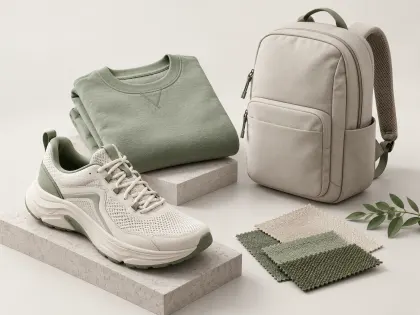
Running shoes sit in a crowded apparel, textiles and bags catalogue where many adjacent categories compete for the same buyer attention. The selection problem is not whether to stock running shoes, but which buyer, which use case, and which level of service commitment you can support. This guide focuses on matching product to buyer, building a rational assortment, and planning inventory, returns and after-sales before you commit.
Start by matching the shoe to the buyer and the run. A daily trainer for a recreational runner differs from a tempo shoe for a club runner, a trail shoe for mixed terrain, or a walking-focused athletic shoe for someone who mostly stands and walks. Ask what surface, distance, frequency and pace the buyer expects. A shoe built for cushioning and stability suits high-mileage pavement use; a lighter, lower-profile shoe suits shorter, faster sessions. For a general e-commerce audience, a versatile neutral daily trainer usually covers more buyers than a specialist racing flat. If you sell to gyms, schools or corporate wellness programs, durability and easy size runs matter more than elite performance features.
Assortment and SKU decisions follow from that match. A practical structure is a core daily trainer in the most common sizes and two or three colorways, a secondary option for a distinct use case (trail, tempo, or walk-focused), and a limited test SKU for any new direction. Width options, half sizes and wide fittings are often the difference between a good fit and a return, so decide early whether to carry them. Avoid spreading across too many silhouettes with thin size coverage; a narrow but complete size run usually serves buyers better than many styles with gaps. Color strategy should reflect your channel: neutral colors sell across seasons, while bright colorways can support seasonal campaigns.
Inventory planning should reflect the fact that running shoes are size-curve products. The middle sizes typically turn fastest, while extreme sizes are slower and riskier. Plan buys around a realistic size curve, keep a reorder path for proven core styles, and treat fashion-led colorways as limited commitments. If you hold inventory across seasons, consider how foam, adhesives and upper materials age in storage; rotate stock and avoid overbuying seasonal color.
Returns and after-sales deserve a written policy before launch. Fit-related returns are common in footwear, so define what counts as a sizing return versus wear-and-tear, how long the window is, and who pays return shipping. For quality concerns, describe your inspection steps, such as checking stitching, sole bonding, symmetry and size labeling, and how you handle a defect claim. Clear expectations reduce disputes and protect repeat purchase. Where a product makes performance or safety claims, or where a buyer has a medical or orthopedic concern, a specialist review by a qualified professional is appropriate; do not present a shoe as a treatment or a guaranteed injury-prevention product.
Hypothetical scenario: an online seller wants to add running shoes to a sportswear range. The seller's buyers are mostly recreational runners and walkers. The seller chooses one neutral daily trainer in sizes 36-45 with three colorways, adds one trail option in the middle size range, and keeps half sizes for the core style. Inventory is planned on a size curve, with reorders for the core trainer and a small seasonal color test. The return policy separates sizing exchanges from defect claims, and the seller inspects each batch for bonding, stitching and labeling before listing. This is a hypothetical illustration, not a claim about any real supplier or result.
Actionable checklist: define the primary buyer and use case; choose one core shoe and no more than two secondary directions; decide width and half-size coverage; set a size-curve buy plan and reorder trigger; write a returns and defect policy; confirm inspection points for bonding, stitching, symmetry and labeling; and identify when a qualified specialist should review performance or health-related claims. Keep the assortment honest to what you can service, and let buyer fit drive the rest.
Share the product, specifications, quantity and destination to discuss sourcing options.